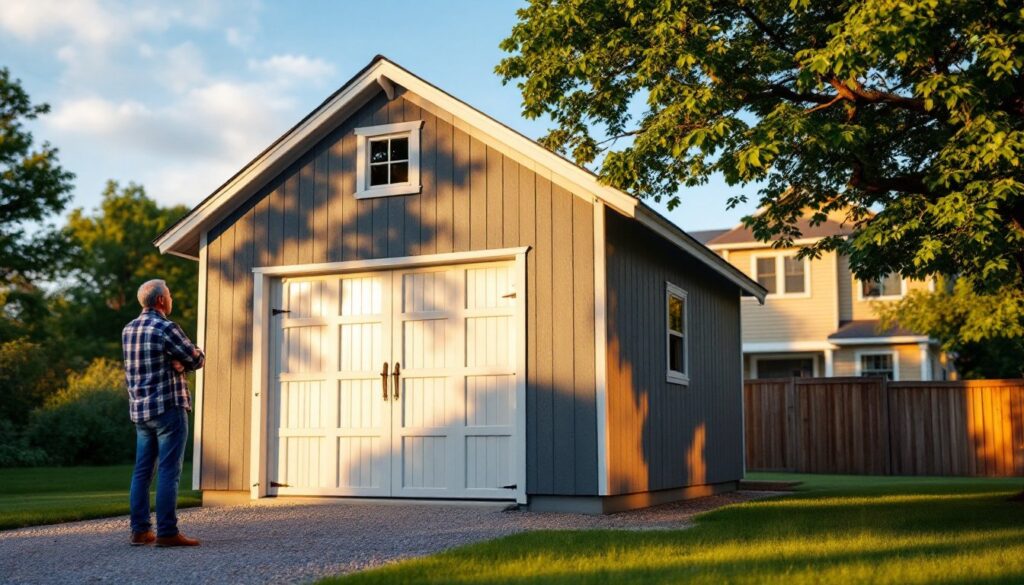

That detached garage sitting in your backyard? It’s not just a place to park a car or pile up boxes. With a bit of vision and elbow grease, it can become a functional, valuable space that improves your home and your lifestyle. Converting a detached garage opens up possibilities most homeowners overlook, extra living quarters, a peaceful workspace, or a personal retreat from the main house. The beauty of a detached structure is the separation: it offers privacy, noise isolation, and creative freedom without disrupting the rest of your home. Here’s how to make it happen.
Table of Contents
ToggleKey Takeaways
- Detached garage conversions cost significantly less than building new square footage while providing privacy, noise isolation, and creative freedom for guest suites, home offices, or fitness spaces.
- Guest suite and ADU conversions require essential infrastructure including insulation (R-13 to R-15 minimum for walls), dedicated electrical circuits, plumbing lines, and egress windows for bedrooms to meet building codes.
- Home office or creative studio conversions thrive with proper lighting, multiple electrical outlets on dedicated circuits, soundproofing, and flooring upgrades like floating engineered wood or luxury vinyl plank over concrete.
- Fitness and wellness spaces benefit from rubber gym flooring, proper ventilation, wall-mounted mirrors with plywood backing, and heavy-duty anchors rated for equipment loads exceeding 500 pounds.
- Before starting any detached garage conversion, check local zoning laws, obtain building permits, address moisture control on concrete slabs, and plan HVAC solutions such as ductless mini-splits to avoid overloading your main system.
- Budget between $5,000–$15,000 for basic office conversions and $40,000–$80,000 for full ADUs with plumbing and kitchens, with project timelines ranging from 4–12 weeks depending on scope and inspections.
Why Convert Your Detached Garage?
Detached garages are underutilized goldmines. They already have a foundation, walls, and a roof, the expensive structural bones. Converting one costs significantly less than building new square footage from scratch.
Beyond cost, detached garages offer something an addition can’t: physical separation. That distance makes them ideal for uses where privacy, quiet, or zoning matters. A guest suite won’t share walls with bedrooms. A music studio won’t rattle the dishes during dinner. A home gym won’t track sweat through the living room.
Property value is another consideration. A well-executed conversion adds functional square footage, which appeals to buyers looking for rental income potential, multi-generational living, or flexible workspaces. Just remember: conversions involving plumbing, electrical, or occupancy changes typically require permits and must meet local building codes, including the International Residential Code (IRC) for habitable spaces. Check with your jurisdiction before breaking ground.
Guest Suite or Rental Unit Conversion
Turning a garage into a guest suite or accessory dwelling unit (ADU) is one of the most popular, and profitable, conversions. It adds living space without losing your main home’s privacy.
What You’ll Need
- Insulation and Climate Control: Garages aren’t built for comfort. You’ll need to insulate walls (R-13 to R-15 minimum for most climates), ceiling (R-30 to R-38), and possibly the slab floor. Install a mini-split HVAC system or electric baseboard heaters. Ductless mini-splits are efficient and don’t require tying into your main system.
- Bathroom and Kitchenette Plumbing: If the garage doesn’t already have water lines, you’ll need to run supply and drain lines from the main house or septic. This often means trenching, which adds cost and complexity. Budget for a licensed plumber, this isn’t a DIY job.
- Electrical Service: A guest suite needs dedicated circuits for appliances, outlets (spaced per NEC code, every 12 feet along walls), lighting, and GFCI protection in wet areas. An electrician will likely pull a subpanel from your main service.
- Egress and Safety: Any bedroom requires an egress window (minimum 5.7 square feet of openable area, at least 24 inches tall and 20 inches wide). Install smoke and CO detectors per code.
Finish Considerations
Drywall over studs, not directly on block walls, it allows for insulation and a cleaner finish. Use moisture-resistant drywall in the bathroom. For flooring, luxury vinyl plank (LVP) is durable, water-resistant, and warmer underfoot than tile on a concrete slab. If you’re adding this as a rental, research local ADU regulations and design trends to ensure compliance and market appeal.
Home Office or Creative Studio Transformation
A detached garage office solves the biggest challenge of working from home: distraction. No kids, no kitchen, no laundry calling your name. It’s a true separation of work and home life.
Essentials for a Functional Workspace
- Lighting: Natural light improves mood and productivity. Add windows or a skylight if your garage lacks them. For task lighting, use adjustable LED fixtures with a color temperature around 4000K–5000K (neutral to cool white). Avoid relying solely on overhead lights.
- Electrical Outlets and Data: Plan for multiple outlets, computers, monitors, printers, chargers. Install at least two 20-amp circuits to handle equipment loads. Run CAT6 ethernet for reliable internet: Wi-Fi signals weaken over distance.
- Insulation and Soundproofing: Standard insulation helps, but if you’re recording podcasts, music, or video, add acoustic panels or rockwool batts in wall cavities. Seal gaps around doors and windows with weatherstripping.
- Flooring: Concrete is cold and hard. Lay down a floating floor (engineered wood or LVP) over a moisture barrier and foam underlayment. If budget allows, add radiant floor heating, it’s energy-efficient and keeps toes warm in winter.
Layout Tips
Position your desk to face a window, not a wall. Use the garage door opening (if you’re keeping it) for a glass roll-up door, it’s a stylish design choice that blurs indoor-outdoor lines and floods the space with light. Keep your HVAC unit and electrical panel accessible but screened off with a partition or bookshelf.
Fitness and Wellness Space Makeover
Garages make excellent gyms. They’re already built for heavy use, durable flooring, and ventilation. Plus, you won’t annoy housemates dropping kettlebells at 6 a.m.
Structural and Surface Prep
- Flooring: Concrete works, but it’s unforgiving. Lay down rubber gym tiles (3/4-inch thick) or rolls. They absorb impact, reduce noise, and protect the slab. Interlock tiles are DIY-friendly and don’t require adhesive.
- Ventilation and Temperature: Garages get hot. Install a ceiling fan or exhaust fan to move air. A window AC unit or portable evaporative cooler handles summer heat. In winter, a radiant panel heater mounts to the wall and won’t take up floor space.
- Mirrors and Wall Protection: Mount full-length mirrors on one wall for form checks. Use plywood backing behind drywall if you’re hanging heavy bags or wall-mounted equipment, standard drywall anchors won’t hold.
Equipment Considerations
If you’re installing a squat rack or pull-up rig, make sure it’s bolted to floor joists (if you have a wood floor) or concrete anchors rated for the load. Free weights and racks can exceed 500 pounds with a loaded bar.
For yoga or Pilates, skip the heavy buildout. Add cork or foam flooring, dimmable lighting, and a small space heater. Install blackout shades if you want a meditation vibe.
Entertainment and Recreation Room Ideas
Game rooms, home theaters, bars, hobby workshops, detached garages handle them all. The key is designing around noise, comfort, and the activities you’ll actually use it for.
Home Theater or Media Room
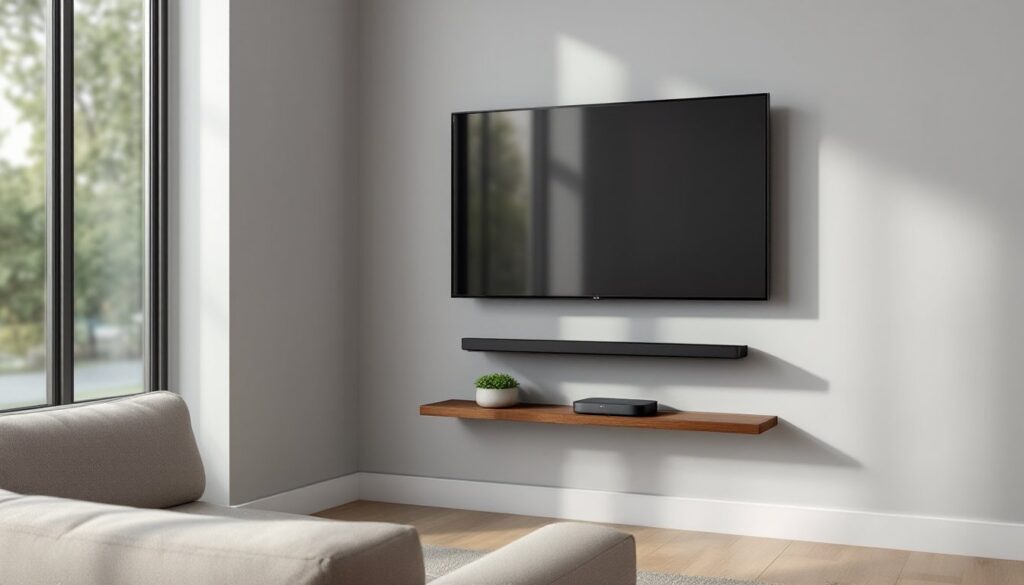
- Soundproofing: Add mass-loaded vinyl (MLV) behind drywall and use resilient channels to decouple wall surfaces. Seal all penetrations. Carpeting or thick area rugs dampen sound reflection.
- Lighting Control: Install dimmer switches and blackout shades or curtains. Recessed LED cans work for general light: sconces or rope lighting add ambiance without screen glare.
- Seating and Layout: Allow 3–4 feet between rows if you’re doing tiered seating. Make sure your screen size matches viewing distance (a 120-inch diagonal screen needs about 12–15 feet of throw).
Game Room or Bar Setup
A pool table needs at least 5 feet of clearance on all sides for cue strokes, measure carefully. A standard 8-foot table in a single-car garage (typically 12×22 feet) is tight.
For a wet bar, you’ll need water supply and drainage, just like a kitchenette. A bar sink and small fridge are common. Keep the fridge on a dedicated circuit to avoid tripping breakers when running other equipment.
If you’re setting up a woodshop, hobby space, or craft room, prioritize dust collection (a shop vac with a HEPA filter or cyclone separator) and plenty of task lighting (5000K LEDs). Pegboard or slat walls keep tools organized and accessible. Exploring different garage conversion layouts can help you visualize how to maximize your space.
Key Considerations Before Starting Your Conversion
Permits and Codes
Most conversions require a building permit, especially if you’re adding plumbing, electrical, or changing the use to habitable space. Electrical work must meet National Electrical Code (NEC) standards. Habitable rooms follow IRC guidelines for ceiling height (minimum 7 feet), egress, ventilation, and heating.
Zoning laws vary. Some jurisdictions restrict ADUs, limit square footage, or require additional parking. Call your local building department before you start.
Insulation and Moisture Control
Garages aren’t built like houses. Walls may be uninsulated or lack a vapor barrier. Concrete slabs can wick moisture, leading to mold and cold floors. Address this with:
- Foam board insulation on slab before laying flooring
- Batt or spray foam insulation in walls and ceiling
- Proper ventilation to prevent condensation buildup
If you’re in a cold climate, consider frost-protected shallow foundations if you’re adding plumbing.
HVAC and Utilities
Detached garages often lack heating and cooling. Extending your home’s HVAC system is expensive and may overload it. Ductless mini-splits are the go-to: efficient, quiet, and no ductwork required.
Electrical service may need an upgrade. A 100-amp main panel can handle most conversions, but if you’re adding a subpanel, EV charger, or heavy appliances, consult an electrician.
Safety Gear and Prep Work
Wear safety glasses, dust masks (N95 or better), gloves, and ear protection when cutting, drilling, or using power tools. Prep surfaces properly: clean concrete, prime drywall, let lumber acclimate before installation. Most DIY failures trace back to skipped prep.
Budget and Timeline
Costs vary wildly by region and scope. A basic office conversion might run $5,000–$15,000 (insulation, drywall, flooring, electrical). A full ADU with plumbing and kitchen can hit $40,000–$80,000 or more, especially in high-cost markets. Get multiple quotes if hiring out.
Expect 4–12 weeks for a DIY project, longer if permits and inspections are required.
Conclusion
A detached garage conversion isn’t just about adding square footage, it’s about creating space that works the way you live. Whether it’s a quiet office, a private guest suite, or a personal gym, the bones are already there. The rest is planning, permits, and a bit of sweat equity. Do the prep work right, respect the codes, and you’ll end up with a space that pays dividends in function and value for years to come.