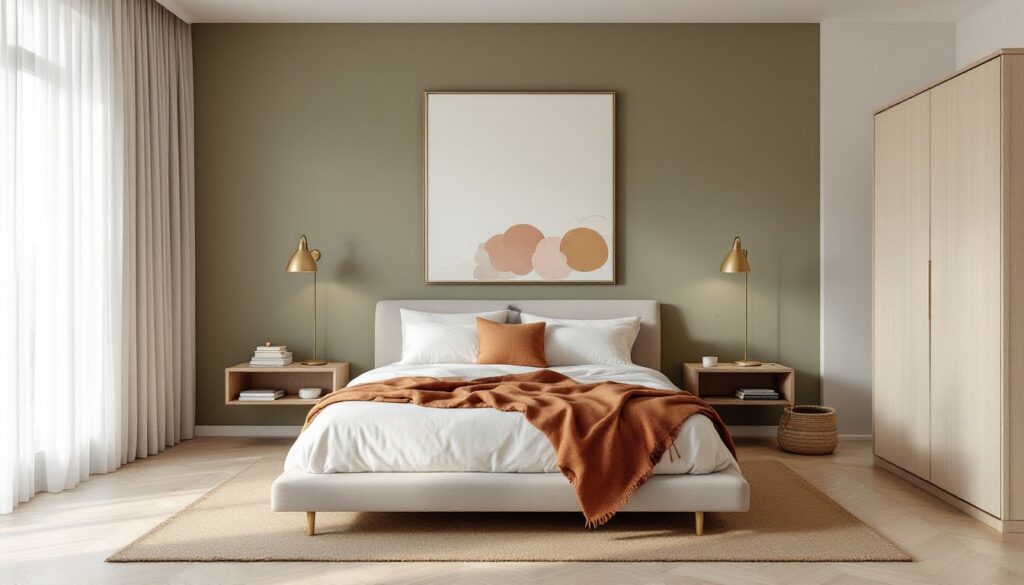

A bedroom isn’t just where someone sleeps, it’s the one room in the house that should feel completely personal. Getting the design right means balancing function, comfort, and style in a way that actually works for daily life. Whether someone’s starting from scratch or tweaking an existing layout, small intentional changes can make a bigger impact than an expensive overhaul. This guide breaks down the core decisions that shape a well-designed bedroom, from setting a visual direction to managing clutter without sacrificing character.
Table of Contents
ToggleKey Takeaways
- Define a clear style direction in three to five words before making design purchases to ensure every decision—from paint to furniture—aligns with your bedroom’s visual identity.
- Use the 60-30-10 color palette rule: dominant wall color (60%), secondary furniture/textiles (30%), and accent decor (10%) to create a cohesive bedroom design without monotony.
- Layer your lighting with ambient, task, and accent sources; install dimmer switches for flexibility and avoid placing recessed lights directly over the bed to prevent an unflattering effect.
- Incorporate mixed textures through bedding, rugs, and decor to add visual interest and depth, even in neutral palettes—linen, wool, cotton, and velvet each catch light differently.
- Maximize bedroom space with smart furniture placement by maintaining minimum 24 inches of walkway beside the bed, using platform beds with low profiles, and employing wall-mounted solutions like floating nightstands.
- Plan functional storage around items that actually live in your room—under-bed bins, double closet rods, and nightstand drawers keep daily essentials accessible without visible clutter.
Start With a Clear Vision and Style Direction
Before buying a single throw pillow, it pays to nail down what the room should actually feel like. A style direction guides every choice after it, paint, furniture, textiles, finishes. Without one, rooms end up looking like a flea market.
Popular bedroom styles in 2026 include modern minimalist (clean lines, neutral tones, zero clutter), Scandinavian (light wood, whites, cozy textures), industrial (exposed elements, metal, raw materials), and transitional (a blend of traditional and contemporary). Each has distinct material and color expectations.
Start by collecting reference images, not for copying, but for identifying patterns. If someone keeps saving images with warm wood tones and linen bedding, that’s a signal. If every saved room has black window frames and concrete accents, that’s another. Designers on platforms like Homedit showcase room-specific ideas that help clarify preferences before committing to purchases.
Once a direction emerges, write it down in three to five words. “Warm, minimal, organic” or “moody, layered, vintage” works. This becomes the filter for every decision that follows.
Choose a Color Palette That Sets the Mood
Color has measurable psychological effects, and bedrooms benefit from intentional palette planning. Cooler tones (blues, greens, soft grays) tend to lower heart rate and support relaxation. Warmer tones (terracotta, blush, warm beige) create coziness but can feel overstimulating in large doses.
A foolproof approach: pick one dominant color for walls (60% of the room), one secondary color for larger furniture and textiles (30%), and one or two accent colors for smaller decor (10%). This ratio keeps the room cohesive without becoming monotonous.
Paint coverage matters. One gallon typically covers 350–400 square feet with one coat. Most bedrooms need two coats, and darker colors often require a tinted primer to avoid streaking. For a 12′ × 14′ bedroom with 8′ ceilings, expect to use about 2 gallons total, not including the ceiling.
For those reworking existing spaces, home renovation ideas often start with a fresh coat of paint, it’s the fastest visual reset available. Test paint samples on at least two walls (one with natural light, one without) and observe them at different times of day before committing.
Trend alert for 2026: earthy neutrals (clay, sand, muted olive) are replacing the cooler grays that dominated the last decade. These tones pair well with natural wood and organic textures.
Maximize Space With Smart Furniture Placement
Furniture layout can make a 10′ × 10′ room feel spacious or claustrophobic. Start with the bed, it’s the room’s anchor. In most layouts, centering the bed on the longest wall works best, but corner placement can free up floor space in smaller rooms.
Key clearances to respect:
- Minimum 24 inches of walkway on each side of the bed for comfortable movement
- At least 36 inches in front of dressers and closets for drawer or door swing
- 18–24 inches between the bed and nightstands
If a room feels cramped, the bed frame might be the culprit. Platform beds with low profiles and no footboard visually open up the space. Avoid heavy, ornate frames in rooms under 120 square feet, they dominate the sightline.
Floating nightstands (wall-mounted) save floor space and make cleaning easier. Wall-mounted reading lights eliminate the need for table lamps, freeing up surface area. In tight quarters, a narrow console or floating shelf can replace a traditional dresser.
Mirrors strategically placed opposite windows amplify natural light and create the illusion of depth. A full-length mirror on a closet door or leaning against a wall works better than small decorative mirrors scattered randomly.
For awkward layouts, rooms with off-center windows, angled walls, or multiple doors, sketch the floor plan on graph paper (¼” = 1′ scale) before moving furniture. Measure twice, rearrange once.
Layer Lighting for Function and Ambiance
One overhead fixture isn’t enough. Well-designed bedroom lighting uses three layers: ambient (general illumination), task (reading, dressing), and accent (mood, visual interest).
Ambient lighting comes from ceiling fixtures, recessed cans, or flush-mounts. For bedrooms, aim for soft, diffused light rather than harsh downlighting. A dimmer switch (standard rotary or smart) allows adjustment based on time of day. Install dimmers on all bedroom overhead circuits, it’s a small electrical upgrade with daily payoff.
Task lighting includes bedside reading lights, vanity lighting, or a desk lamp. Swing-arm wall sconces mounted 40–60 inches from the floor (measured to the center of the fixture) provide adjustable, focused light without taking up nightstand space. Hardwiring sconces requires cutting into drywall and running electrical: plug-in versions are a viable alternative if an outlet is nearby.
Accent lighting might be LED strip lights behind a headboard, a small table lamp with a decorative base, or even candles (real or battery-operated). Color temperature matters here: 2700K–3000K bulbs produce warm white light suitable for relaxation: anything above 4000K skews clinical.
If installing recessed lights, avoid placing them directly over the bed, it creates an interrogation-room effect. Position them around the perimeter instead. In older homes, check whether ceiling joists will interfere with recessed can placement. Most retrofit LED cans fit in a 4-inch opening and don’t require major structural cuts.
Cord management for plug-in lamps: use cable clips along baseboards or behind furniture to keep things tidy. In-wall power kits (like those used for wall-mounted TVs) can conceal cords if someone’s comfortable working with basic electrical.
Add Texture and Personality Through Textiles and Decor
Flat, matchy-matchy bedrooms look staged, not lived-in. Texture creates visual interest even in neutral palettes. Mix materials deliberately: linen duvet, cotton sheets, wool throw, velvet pillow, jute rug. Each material catches light differently.
Bedding layers should be functional, not just decorative. A typical well-made bed includes a fitted sheet, flat sheet, duvet or comforter, and 2–4 pillows for sleeping, plus optional decorative pillows and a throw. Swapping out heavy flannel in summer for lightweight linen keeps the bed comfortable year-round.
Area rugs define zones and dampen sound, especially in rooms with hardwood or laminate flooring. In a bedroom, the rug should extend at least 18–24 inches beyond each side of the bed, anything smaller looks like a bath mat. For a queen bed, that typically means an 8′ × 10′ rug minimum. Jute, wool, and low-pile synthetics hold up better than shag in high-traffic areas.
Window treatments control light and privacy. Blackout curtains or cellular shades work well for light sleepers. If using curtains, mount the rod 4–6 inches above the window frame and extend it 6–12 inches beyond each side to make windows appear larger and allow full retraction of fabric.
Wall decor should feel intentional, not random. Group smaller frames in a gallery wall (use painter’s tape to mock up placement before hammering nails), or go with one large statement piece above the bed. Keep art at eye level, center point around 57–60 inches from the floor.
Designers featured on MyDomaine often emphasize the “high-low” approach: splurge on a few quality pieces (a solid wood bed frame, a good mattress, durable bedding) and save on trend-driven decor that can rotate seasonally.
Incorporate Storage Solutions That Keep Clutter at Bay
Clutter kills calm. Bedrooms need enough storage to keep daily-use items accessible but out of sight. Evaluate what actually lives in the room, clothes, shoes, books, chargers, seasonal bedding, then plan storage around real inventory, not aspirational minimalism.
Under-bed storage is underutilized real estate. Rolling bins, shallow drawers, or a bed frame with built-in storage reclaim 10–15 cubic feet. Measure bed clearance first: many platform beds sit low (8–10 inches off the floor) and won’t fit standard storage bins.
Closet organization can double usable space. A single hanging rod wastes vertical room. Add a second rod below the first (one for shirts, one for pants), install shelf dividers to prevent sweater avalanches, and use slim velvet hangers instead of bulky plastic, they take up half the rod space.
For rooms without adequate closet space, a freestanding wardrobe or armoire works. Look for solid wood or plywood construction, particleboard sags under clothing weight within a year. IKEA’s PAX system is modular and allows custom configuration, though assembly takes 2–3 hours and a second person helps with the taller units.
Nightstand storage should hold the essentials: a book, phone charger, glasses, lotion. Nightstands with at least one drawer or shelf keep surfaces clear. Wall-mounted floating shelves with a small basket underneath achieve the same result in tight spaces.
Built-in storage (window seats with lift tops, recessed shelving between wall studs) adds value but requires carpentry skills and sometimes a permit if it involves structural changes. Standard wall studs sit 16 inches on center: between-stud shelving maxes out around 14.5 inches wide (actual stud spacing minus framing). Always check for electrical, plumbing, or HVAC before cutting into walls.
Many home renovation ideas examples revolve around smart storage upgrades that don’t require gutting the room.
Conclusion
Designing a bedroom isn’t about following a rigid formula, it’s about making intentional choices that align with how someone actually uses the space. Focus on the fundamentals: a clear style direction, a cohesive color palette, smart furniture placement, layered lighting, texture, and functional storage. Trends shift, but a well-planned bedroom built on these principles stays comfortable and relevant for years. Start with one section, test ideas in real space, and adjust as needed. The best design is the one that works.