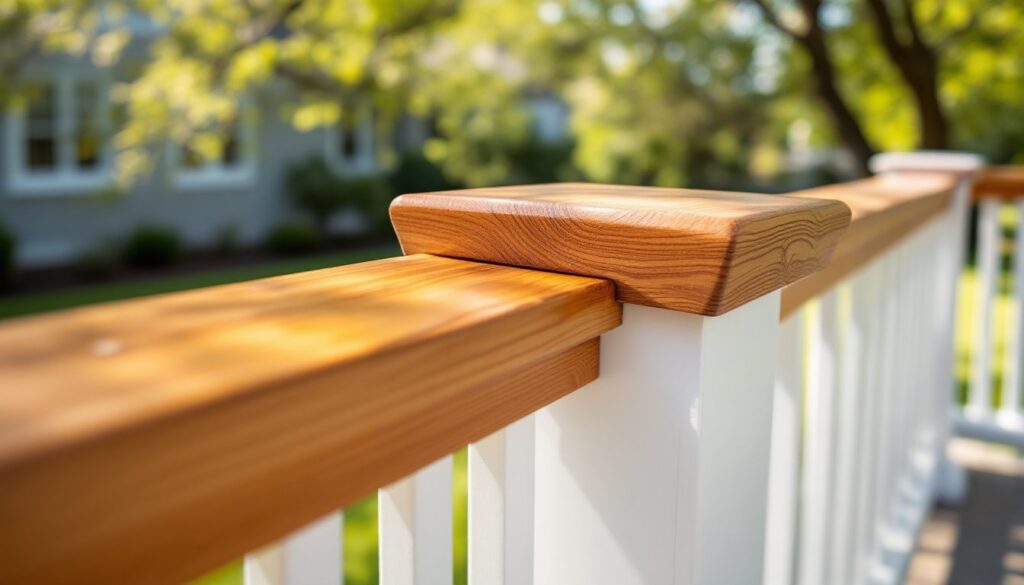

Deck railing caps aren’t just decorative trim, they’re the first line of defense against water infiltration and rot. These horizontal pieces sit atop your railing posts and balusters, shedding rain away from exposed end grain while giving your deck a finished, cohesive look. Whether you’re replacing a weathered cap or upgrading a builder-grade installation, the right cap material and profile can dramatically change your deck’s appearance. From classic cedar to sleek aluminum, each option brings different maintenance demands, aesthetic character, and installation considerations that every DIYer should weigh carefully before making a purchase.
Table of Contents
ToggleKey Takeaways
- Deck railing caps protect against water infiltration and rot while providing a finished, unified appearance that improves curb appeal and structural integrity.
- Wood caps like cedar and redwood offer classic aesthetics but require sealing every 2–3 years, while composite, PVC, and aluminum caps deliver low-maintenance alternatives with 25+ year lifespans.
- Match your railing cap material to your climate and existing structure—wood for dry climates, composite or PVC for wet or coastal regions, and metal for modern architectural styles.
- Always seal cut ends of wood caps with wax-based end sealer and use stainless steel fasteners to prevent rust staining and splitting before installation.
- Consider lifecycle costs over initial price; a $12/ft composite or aluminum cap with zero maintenance often costs less over a decade than a budget wood cap requiring regular refinishing.
- Metal caps and composite caps with integrated LED channels offer mixed-material options for custom aesthetics and improved safety without sacrificing durability.
Why Deck Railing Caps Matter for Your Outdoor Living Space
A quality railing cap serves two critical functions: structural protection and visual continuity. Without a cap, rainwater seeps directly into the exposed end grain of posts, the most vulnerable part of any wood structure. Over time, this leads to swelling, cracking, and eventual rot that compromises the entire railing system.
From a code perspective, caps aren’t typically mandated, but the railing height and graspability are. Most jurisdictions following the International Residential Code (IRC) require deck railings to stand 36 inches minimum on residential decks, with the top rail providing a grippable surface. Understanding deck railing height requirements helps ensure your cap installation doesn’t inadvertently push your system out of compliance.
Beyond protection, caps create a unified visual line that ties together posts, balusters, and the deck frame. A well-chosen cap can make a basic pressure-treated railing look custom or give a composite system an upscale edge. It’s one of the simplest upgrades with the highest visual return on investment.
Classic Wood Railing Cap Designs
Wood caps remain the go-to for traditional and craftsman-style decks. Cedar and redwood are the gold standards, naturally rot-resistant, dimensionally stable, and easy to mill into custom profiles. For a classic look, use a 2×6 nominal (actual 1½” × 5½”) cap with a routed edge or chamfer. The width provides generous overhang to shed water and a comfortable armrest.
Pressure-treated pine is budget-friendly and widely available, but it requires sealing or staining within 6–12 months to prevent checking and cupping. Expect to reapply finish every 2–3 years in most climates. If you’re matching an existing deck structure, PT lumber keeps the material palette consistent.
For a richer aesthetic, consider hardwoods like ipe, cumaru, or tigerwood. These dense tropical species offer exceptional durability and a refined grain pattern, but they’re harder to work, pre-drill every fastener hole and use carbide-tipped saw blades. Hardwood caps can last 25+ years with minimal maintenance, though initial cost runs 3–5 times higher than cedar.
Installation tip: Always seal the cut ends of wood caps with a wax-based end sealer before installation. This slows moisture absorption and reduces the risk of splitting. Fasten caps with stainless steel or coated deck screws to prevent rust staining, and countersink slightly so you can fill and sand flush.
Modern Composite and PVC Railing Caps
Composite and PVC caps deliver the look of wood without the maintenance cycle. These engineered materials resist moisture, UV degradation, and insect damage, making them ideal for coastal or high-humidity regions. Most manufacturers offer caps that coordinate with their railing systems, but universal profiles are also available.
Composite caps (wood fiber and plastic blend) typically come in 5/4″ × 6″ or 2″ × 6″ profiles with a textured, embossed grain. They won’t splinter, and many carry 25-year fade and stain warranties. Brands like Trex, TimberTech, and Fiberon offer color-matched options that integrate seamlessly with their deck boards and balusters. Composite caps expand and contract with temperature, so leave a 1/8″ gap at butt joints and use the manufacturer’s recommended hidden fasteners or color-matched screws.
PVC caps are fully synthetic, no wood content, so they’re the most moisture-resistant option. They’re lighter than composite, easier to cut, and available in smooth or textured finishes. White and tan dominate the color range, though gray and black are gaining traction. PVC caps can feel slightly hollow underfoot compared to wood or composite, but they’re virtually maintenance-free beyond occasional soap-and-water cleaning.
Cost consideration: Composite and PVC caps run $8–$15 per linear foot installed, compared to $3–$6 for cedar. Factor in zero annual maintenance, and the lifetime cost often favors synthetics.
Metal Railing Cap Options for Contemporary Decks
Metal caps bring a sleek, industrial edge that pairs well with cable rail, glass panels, or minimalist architectural styles. Aluminum is the dominant material, lightweight, rust-proof, and available in powder-coated finishes that range from matte black to bronze and charcoal. Aluminum caps typically measure 2″ × 6″ or 2″ × 4″ and come with pre-drilled mounting holes or hidden clip systems.
Aluminum stays cool to the touch better than composite in direct sun, though dark finishes still absorb heat. Expect to pay $10–$18 per linear foot for quality extruded aluminum caps. Brands like Deckorators, Westbury, and Fortress offer caps that integrate with their aluminum railing systems, but standalone caps work with wood or composite posts too.
Stainless steel and powder-coated steel caps are less common but deliver unmatched durability and a high-end aesthetic. Stainless is ideal for coastal installations where salt spray would corrode lesser metals. Steel caps are heavier and require solid blocking or posts to support the added weight, don’t try mounting them to hollow composite posts without reinforcement.
Installation note: Metal caps conduct temperature, so they’ll be hot in summer sun and cold in winter. If your deck sees heavy use, consider a cap with an integrated vinyl or composite insert for a more comfortable grip. Always use stainless fasteners to avoid galvanic corrosion between dissimilar metals.
Creative Mixed-Material Railing Cap Ideas
Combining materials can set your deck apart and solve specific functional challenges. A popular approach is pairing a wood cap with a metal railing system, the warmth of cedar or ipe softens the industrial look of aluminum or steel balusters. This works especially well on modern farmhouse or transitional designs.
Another option is a composite cap over wood posts. If you’ve built a traditional PT or cedar railing but want to eliminate cap maintenance, a color-matched composite cap gives you the best of both worlds. Just make sure to seal the top of the wood post before installing the cap to prevent moisture from wicking up through the grain.
For a true custom look, some builders mill built-up caps from multiple layers, a base of PT lumber topped with a hardwood or composite face piece. This adds visual heft and allows you to create deeper overhangs or integrated lighting channels. If you’re handy with a table saw and router, projects like these are within reach: sites like Ana White and Fix This Build That often feature detailed plans for custom millwork and outdoor projects.
LED lighting integration is another mixed-material trend. Some aluminum and composite caps now come with routed channels for low-voltage LED strips, providing ambient lighting and improved safety on stairs and perimeter rails. Wiring typically runs through hollow posts or surface-mounted conduit, depending on your railing design.
How to Choose the Right Railing Cap for Your Deck
Start by assessing your climate and exposure. Wood caps perform well in dry or moderate climates but struggle in high-humidity or coastal areas without diligent maintenance. Composite and PVC caps excel in wet, salty, or UV-intense environments. Metal caps are ideal for modern aesthetics and coastal installations, provided you choose corrosion-resistant alloys.
Next, consider material compatibility. If you’re replacing a cap on an existing railing, match the cap material to the post structure. Composite caps on composite posts, wood on wood, and so on. Mixing materials is fine, but ensure the cap’s weight and fastening method suit the underlying structure. Hollow composite posts may need blocking or reinforcement to support a heavy hardwood or steel cap.
Maintenance tolerance should guide your decision. If you’re willing to sand and seal every few years, wood caps offer unmatched natural beauty. If you want a set-it-and-forget-it solution, composite, PVC, or aluminum caps are worth the upfront premium.
Budget plays a role, but think lifecycle cost. A $4/ft cedar cap that needs refinishing every two years may cost more over a decade than a $12/ft composite cap that requires zero upkeep. Get quotes on both material and labor if you’re hiring out, cap installation is straightforward, but miter cuts, returns, and post-to-post transitions require precision.
Finally, think about aesthetics and architecture. Craftsman and cottage styles call for wood. Modern and industrial designs favor metal or dark composite. Transitional or coastal homes can pull off mixed materials. Walk your neighborhood or browse project galleries to see what resonates before committing.
Conclusion
Choosing the right railing cap comes down to balancing aesthetics, durability, and maintenance. Whether you go with classic cedar, low-maintenance composite, or sleek aluminum, a quality cap protects your investment and elevates your deck’s finished look. Measure carefully, use the right fasteners, and don’t skip the end sealer on wood cuts, those details separate a DIY project that lasts from one that needs a redo in five years.