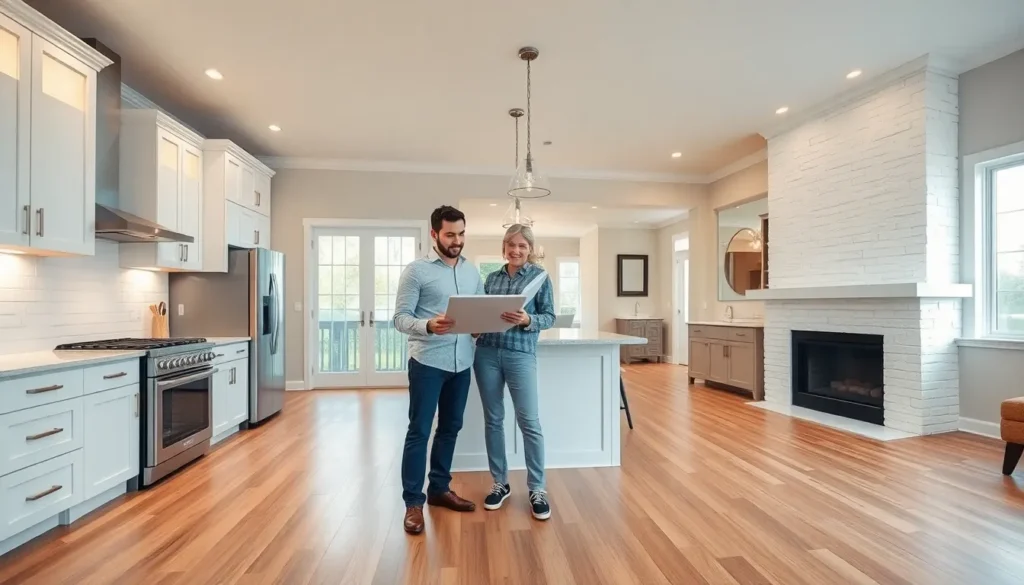


Home renovation ideas and techniques can turn an outdated house into a dream living space. Whether the goal is a full remodel or simple updates, the right approach makes all the difference. Homeowners across the country spend billions each year improving their properties, and for good reason. Smart renovations increase property value, boost comfort, and create spaces that actually work for daily life.
This guide covers practical planning strategies, budget-friendly upgrades, room-specific techniques, and the DIY-versus-contractor decision. Each section offers actionable advice that applies to projects of any size.
Key Takeaways
- Start every home renovation with clear goals, a realistic budget (plus 15-20% contingency), and a detailed timeline to avoid costly delays and overruns.
- Budget-friendly renovation ideas like fresh paint, updated hardware, and refinishing existing cabinets deliver dramatic visual impact without major expense.
- Kitchen and bathroom renovations offer the highest return on investment, with techniques like backsplash installation, countertop upgrades, and fixture swaps transforming spaces effectively.
- DIY home renovation techniques work best for low-risk projects like painting, demolition, and hardware installation, while electrical, plumbing, and structural work require licensed professionals.
- Always research permit requirements before starting renovations—skipping permits creates legal issues and can complicate future home sales.
- When hiring contractors, get at least three bids, verify licenses and insurance, and never pay more than 30% upfront to protect your investment.
Planning Your Home Renovation Project
Every successful home renovation starts with a solid plan. Skipping this step leads to budget overruns, project delays, and frustrating results. Here’s how to set up any renovation for success.
Define Clear Goals
Homeowners should ask themselves what they want to achieve. Is the priority adding resale value? Improving functionality? Creating a more modern look? Clear goals guide every decision that follows.
For example, a family with young children might prioritize durable materials and open floor plans. Empty nesters might focus on accessibility features or luxury finishes. The end goal shapes the entire project.
Set a Realistic Budget
Renovation costs vary widely. A minor kitchen update might run $10,000 to $25,000, while a full gut renovation could exceed $100,000. Smart planners add a 15-20% contingency for unexpected issues, because surprises always pop up once walls come down.
Breaking the budget into categories helps track spending. Materials, labor, permits, and finishes each need their own line items. This level of detail prevents the dreaded moment of discovering there’s no money left for cabinet hardware.
Create a Timeline
Renovation techniques require time to execute properly. A bathroom remodel typically takes two to three weeks. A kitchen renovation runs four to eight weeks. Whole-house projects can stretch for months.
Seasonal factors matter too. Exterior work goes smoother in mild weather. Contractors often have more availability during late fall and winter. Planning around these realities keeps projects on track.
Research Permits and Regulations
Many home renovation ideas require permits. Electrical work, plumbing changes, and structural modifications almost always need approval. Skipping permits creates legal headaches and can complicate future home sales.
Local building departments provide permit requirements. A quick phone call saves major hassles down the road.
Budget-Friendly Renovation Ideas That Make a Big Impact
Big transformations don’t always require big budgets. These home renovation ideas deliver maximum visual impact without emptying the bank account.
Paint Everything
Fresh paint remains the single most cost-effective renovation technique. A gallon of quality paint costs $30 to $50 and covers roughly 400 square feet. Labor is free for DIYers. The transformation is immediate and dramatic.
Bold accent walls create focal points. Light colors make small rooms feel larger. Even painting dated wood trim white modernizes a space instantly.
Update Hardware and Fixtures
Swapping cabinet pulls, door handles, and light fixtures takes a few hours and costs a few hundred dollars. The effect? A room looks completely refreshed.
Brushed nickel and matte black finishes dominate current trends. Mixing metals adds visual interest without looking mismatched. These small changes punch well above their weight class.
Refinish Instead of Replace
Cabinets in good structural condition don’t need replacing. Painting or refacing them costs 30-50% less than new cabinets and achieves similar results. Hardwood floors respond beautifully to sanding and refinishing. Bathtubs can be reglazed for a fraction of replacement cost.
Add Crown Molding and Trim
Architectural details elevate ordinary rooms. Crown molding, wainscoting, and decorative trim create a custom look. Pre-made moldings from home improvement stores make this renovation technique accessible to most DIYers.
Improve Lighting
Better lighting changes how a room feels. Adding recessed lights, installing dimmer switches, or simply choosing higher-wattage bulbs brightens dark spaces. Under-cabinet kitchen lighting costs under $100 and makes cooking areas far more functional.
Popular Room-by-Room Renovation Techniques
Different rooms demand different approaches. Here are proven home renovation techniques for the most commonly updated spaces.
Kitchen Renovations
Kitchens see the highest renovation activity, and deliver strong returns on investment. Popular techniques include:
- Backsplash installation: Subway tile remains a classic choice. Peel-and-stick options work for renters or budget-conscious homeowners.
- Countertop upgrades: Quartz and granite remain popular. Butcher block offers a warm, budget-friendly alternative.
- Open shelving: Removing upper cabinet doors (or the cabinets entirely) creates an airy, modern feel.
- Appliance updates: Stainless steel appliances tie a kitchen together visually.
Bathroom Renovations
Bathrooms offer high impact in small square footage. Effective home renovation ideas for bathrooms include:
- Vanity replacement: A new vanity changes the room’s entire character.
- Tile work: Replacing worn floor tile or adding a tile shower surround delivers a spa-like upgrade.
- Fixture swaps: Modern faucets, showerheads, and towel bars refresh dated bathrooms quickly.
Living Room Updates
Living spaces benefit from renovation techniques that improve flow and comfort:
- Built-in shelving: Custom storage creates character and function.
- Fireplace updates: Tile surrounds or painted brick modernize older fireplaces.
- Flooring changes: Luxury vinyl plank offers durability and style at reasonable prices.
Bedroom Improvements
Bedroom renovations often focus on closets and comfort:
- Closet systems: Wire or wood organizers maximize storage space.
- Accent walls: Wood planks, wallpaper, or bold paint create visual interest.
- Window treatments: Blackout curtains improve sleep quality and energy efficiency.
DIY Versus Hiring Professional Contractors
The DIY-versus-pro question affects every home renovation project. Making the right call saves money, time, and frustration.
When DIY Makes Sense
Some renovation techniques suit motivated homeowners perfectly:
- Painting: Almost anyone can paint with decent results. YouTube tutorials cover every technique.
- Demolition: Swinging a sledgehammer is satisfying and saves labor costs.
- Simple tile work: Backsplashes and small floor areas are manageable for beginners.
- Landscaping: Planting, mulching, and basic hardscaping require effort but not expertise.
- Hardware installation: Swapping handles, knobs, and fixtures is straightforward.
DIY home renovation ideas work best when mistakes are fixable and safety risks are low.
When Professionals Are Worth It
Certain jobs demand licensed contractors:
- Electrical work: Wiring errors cause fires. Permits require licensed electricians in most areas.
- Plumbing: Water damage from botched plumbing jobs costs thousands to repair.
- Structural changes: Removing walls or adding windows requires engineering expertise.
- Gas appliances: Only certified technicians should handle gas lines.
- Roofing: Falls from roofs account for a significant portion of home improvement injuries.
Finding Good Contractors
Quality contractors make home renovation projects successful. Homeowners should:
- Get at least three detailed bids
- Check licenses and insurance
- Read online reviews and ask for references
- Request written contracts specifying scope, timeline, and payment terms
- Never pay more than 30% upfront
The cheapest bid often isn’t the best value. Experienced contractors charge more because they work efficiently and avoid costly mistakes.