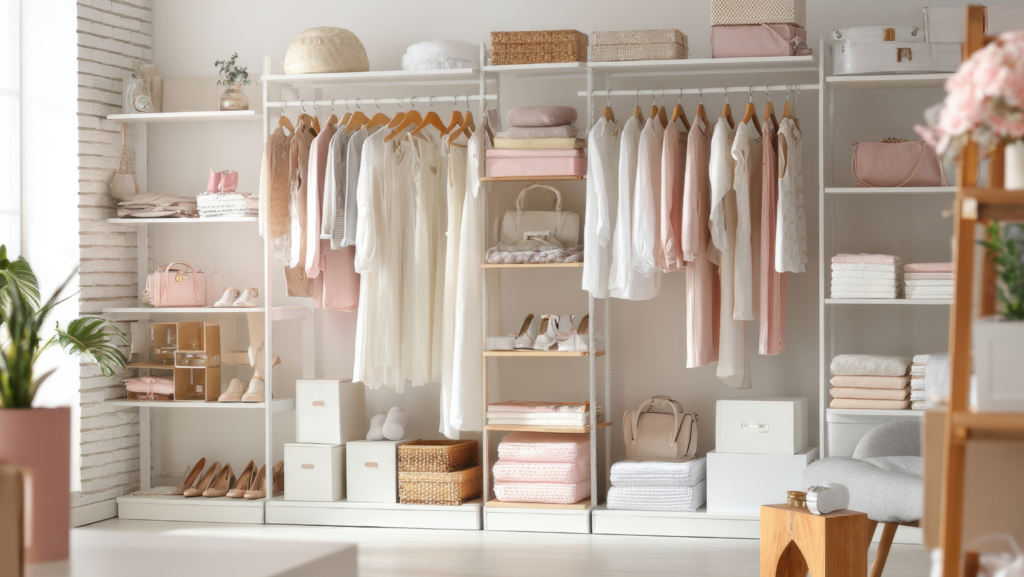

Walk into a home where everything matches exactly and something can feel off. The tiles are uniform, the colours are coordinated, the finishes line up perfectly — yet the space feels flat, even cold. It’s polished, but not welcoming.
This usually isn’t a decorating failure. It’s a design instinct taken too far. When every surface is controlled and coordinated, homes can lose the warmth that makes them feel lived in. The most inviting spaces tend to share one thing in common: they allow for variation.
That’s why designers often lean toward materials with natural differences in shape, tone, or texture. Even outdoors, surfaces like Crazy Pave from GatherCo are used not because they’re dramatic, but because subtle inconsistency helps a space feel more relaxed and human rather than rigid.
Table of Contents
ToggleThe Psychology of Too-Perfect Design
Humans are wired to respond to nature, and nature is rarely uniform. Stone varies in colour. Timber grains never repeat. Even landscapes that look simple are full of irregular details.
When a home is filled with perfectly matching materials, the brain notices the absence of variation. The result can feel overly staged, similar to a display home rather than a place meant to be lived in.
Subtle differences create visual rest. They give the eye somewhere to land without demanding attention. This is why spaces with layered textures often feel calmer, not busier.
Uniform Materials Highlight Every Flaw
Perfect alignment looks great on day one. Over time, it becomes less forgiving.
Uniform materials tend to:
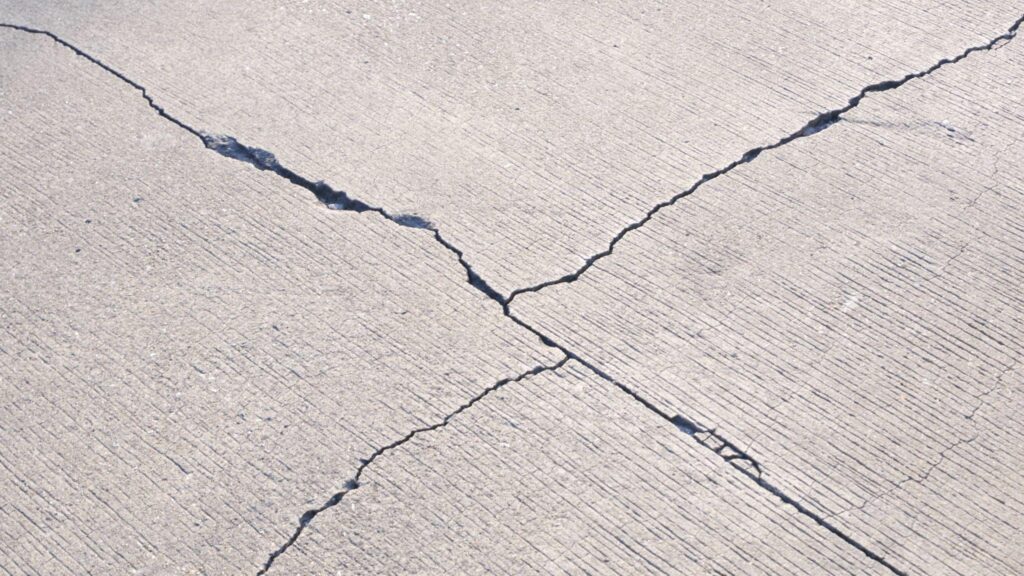
- Show cracks and movement more clearly
- Highlight stains and wear
- Make small imperfections stand out
If one tile shifts or discolours, it becomes obvious because everything else is identical. In contrast, materials with variation naturally disguise these changes. Age blends in instead of standing out.
This is especially noticeable in high-use areas like entryways, kitchens, patios, and walkways — the places that see real life every day.
Variation Adds Depth Without Adding Clutter
There’s a misconception that adding variation means adding complexity. In reality, it often does the opposite.
Using materials that aren’t perfectly matched can reduce the need for extra décor. Texture and tonal shifts provide interest on their own, meaning you don’t need to rely on accessories, patterns, or statement pieces to make the space feel complete.
For example, a surface made up of slightly different stone shapes or colours brings depth without demanding attention. It becomes a backdrop that supports the space rather than dominating it.
Why Matching Everything Can Feel “Showroom-Like”
Showrooms are designed to impress quickly. Homes are designed to be lived in.
Perfectly matching materials often work well in controlled environments where nothing moves, spills, or ages. In a real home, that level of control rarely lasts. When a space is designed around perfection, everyday use can feel like disruption rather than normal wear.
Inviting homes tend to feel forgiving. They allow shoes at the door, furniture rearrangements, and seasonal changes without looking “wrong”.
How to Introduce Contrast Without Losing Cohesion
The goal isn’t randomness. It’s balance.
You can keep a space cohesive while still avoiding a matched-everywhere look by:
- Sticking to a tight colour palette, but varying texture
- Mixing finishes within the same material family
- Letting one element be slightly irregular while others stay simple
This approach keeps the design intentional without making it feel rigid.
Natural Materials Are Often the Best Teachers
Materials that come from nature rarely repeat themselves exactly. That’s part of their appeal.
Stone, timber, clay, and concrete all carry subtle differences that help spaces feel grounded. Even when processed, they retain small imperfections that soften the overall look of a home.
When these materials are used thoughtfully, they bring warmth without feeling rustic or unfinished. They also tend to age more gracefully than highly manufactured alternatives.
Less Matching, More Longevity
Homes that rely on perfect coordination can feel dated quickly. Once a trend shifts, the uniform look becomes obvious. Spaces with variation are harder to place in a specific moment in time, which helps them feel timeless.
This doesn’t mean avoiding trends entirely. It means anchoring a space with elements that won’t look out of place when styles change.
Designing for Comfort, Not Control
Inviting homes don’t try to control every detail. They guide the space instead.
When materials are allowed to differ slightly, homes feel more adaptable. They respond better to wear, weather, and everyday use. Most importantly, they feel comfortable to be in.
Perfect matches might photograph well, but it’s the subtle inconsistencies that make a house feel like a home — warm, relaxed, and ready for real life.