
Your electrical panel is the beating heart of your home's power system. It takes electricity from the utility line and distributes it through every circuit in your house, powering everything from your kitchen appliances to your furnace. Yet most Edmonton homeowners never think about this critical piece of equipment until something goes wrong.
If your lights flicker when you run the microwave, your breakers trip during cold snaps, or you are planning a renovation that adds new appliances, it may be time to consider a panel upgrade. This guide walks you through the warning signs, the process, the costs, and the reasons this investment pays for itself over time.
Table of Contents
ToggleWhat Exactly Is an Electrical Panel Upgrade?
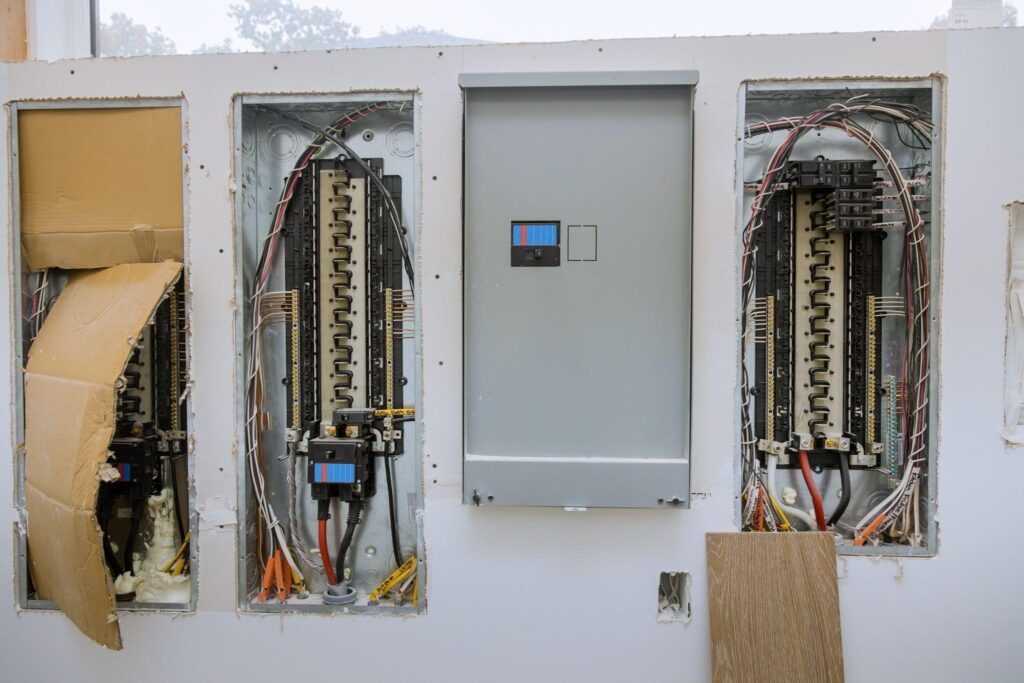
An electrical panel upgrade involves replacing your existing breaker box with a higher-capacity unit that can safely handle more electrical demand. For most Edmonton homes, this means moving from a 60-amp or 100-amp panel to a modern 200-amp panel. The process typically includes replacing the panel itself, upgrading circuit breakers, installing new wiring where necessary, and coordinating with EPCOR for a meter and service line update.
A qualified electrician assesses your current system first, determines what your household needs, and then recommends the right panel size. The goal is simple. Give your home the capacity to run every appliance, device, and system you own without overloading a single circuit.
Warning Signs Your Panel Is Overdue for an Upgrade
Knowing when to act can save you from costly damage or dangerous electrical failures. Watch for these red flags.
- Breakers trip frequently. If you reset the same breaker more than once a month, your panel is struggling to keep up with demand.
- Lights flicker or dim. This often happens when a high-draw appliance like an air conditioner or space heater kicks on. It signals that your system cannot distribute power evenly.
- Your panel still uses fuses. Fuse-based panels are outdated and far less reliable than modern circuit breakers. They are also a common reason for insurance complications.
- You rely on extension cords and power bars. Constantly needing extra outlets suggests your home lacks sufficient circuits, which a panel upgrade can solve.
- Your home is more than 25 years old. Electrical panels have a useful lifespan of roughly 25 to 40 years. If yours falls within that range, a professional inspection is a smart move.
- You are planning a major addition. Adding an EV charger, hot tub, home workshop, basement suite, or heat pump typically requires more amperage than an older panel can provide.
Why Edmonton Homeowners Are Upgrading Now
Edmonton's housing market includes everything from century-old character homes in Strathcona to newer builds in the southwest suburbs. Many older homes were wired for a time when a household ran a few lights, a radio, and a refrigerator. Today, the average home powers dozens of devices, high-efficiency HVAC systems, and increasingly, electric vehicle chargers.
Alberta's push toward home electrification is accelerating this trend. Homeowners switching from gas furnaces to electric heat pumps, or installing solar panel systems with battery storage, often discover that their existing 100-amp panel simply cannot handle the new load. A 200-amp upgrade provides the headroom needed for these technologies and future-proofs the home against further increases in electrical demand.
Beyond capacity, safety is a major driver. Older panels from certain manufacturers have documented failure rates that increase the risk of overheating and electrical fires. Replacing these panels is not just an upgrade. It is a necessary safety measure.
What the Upgrade Process Looks Like
Understanding the steps involved removes much of the uncertainty around panel upgrades.
- Assessment. A licensed electrician inspects your current panel, calculates your household's electrical load, and recommends the right amperage for your needs.
- Permit. In Edmonton, an electrical permit is required for all panel upgrades and service changes. According to the City of Edmonton, homeowners cannot install or relocate main electrical service panels themselves. A certified master electrician must handle the work and obtain the permit.
- Utility coordination. EPCOR disconnects power to your home before work begins. If the service line or meter needs upgrading, EPCOR handles that portion.
- Installation. The electrician removes the old panel, installs the new one, connects all circuits, and ensures every breaker is properly labeled.
- Inspection. A City of Edmonton safety codes officer inspects the completed work to verify it meets the Canadian Electrical Code and Alberta Safety Codes Act requirements.
- Reconnection. Once the inspection passes, EPCOR restores power to your home.
The entire process usually takes one to two days for the electrical work itself, though permit and utility scheduling can extend the overall timeline.
How Much Does a Panel Upgrade Cost in Edmonton?
Cost varies depending on the scope of the project. A straightforward 200-amp panel upgrade for an Edmonton home typically ranges between $1,500 and $3,500. That estimate covers the panel hardware, labour, and standard wiring connections.
However, costs can climb if your home requires additional work. Factors that increase the price include replacing outdated aluminum wiring, upgrading the service drop from the utility pole, relocating the panel to a different wall, or adding new circuits throughout the house. For complex projects involving full service upgrades, costs may reach $5,000 or more.
It is always wise to get two or three quotes from licensed Edmonton electricians. Ask each one for a detailed breakdown so you can compare apples to apples.
The Return on Investment
A panel upgrade is one of the few home improvements that pays dividends in multiple ways. Modern panels with arc-fault and ground-fault circuit interrupters dramatically reduce the risk of electrical fires and shock. Buyers and home inspectors both notice an outdated electrical system, so a modern 200-amp panel can strengthen your resale value and lead to a cleaner inspection report. Some insurance providers even offer reduced premiums for homes with updated electrical systems. Most importantly, a 200-amp panel gives you room to grow, whether that means an EV charger next year or a basement suite in five years.
Choosing the Right Electrician in Edmonton
Not every electrician is equally experienced with panel upgrades. When selecting a contractor, verify that they hold a valid master electrician certificate recognized in Alberta, carry liability insurance and WCB coverage, and will handle the permit application on your behalf. Ask for references from recent panel upgrade projects in Edmonton, and confirm they are familiar with EPCOR's service upgrade requirements for your neighbourhood.
FAQ
Do I need a permit to upgrade my electrical panel in Edmonton? Yes. The City of Edmonton requires an electrical permit for all panel upgrades and service changes. A certified master electrician must apply for the permit and complete the work.
How long does a panel upgrade take? The hands-on electrical work typically takes one to two days. Permit processing and EPCOR scheduling may add a few weeks to the overall timeline.
Can I upgrade my panel myself? No. Edmonton regulations prohibit homeowners from installing or relocating main electrical service panels. This work must be performed by a licensed electrical contractor.
Is a 200-amp panel enough for a typical Edmonton home? For most households, yes. A 200-amp panel provides enough capacity for modern appliances, heating and cooling systems, EV chargers, and future electrification projects.
Will upgrading my panel lower my electricity bill? A panel upgrade itself does not reduce consumption. However, it enables you to install energy-efficient equipment like heat pumps and smart home systems that can lower your bills over time.