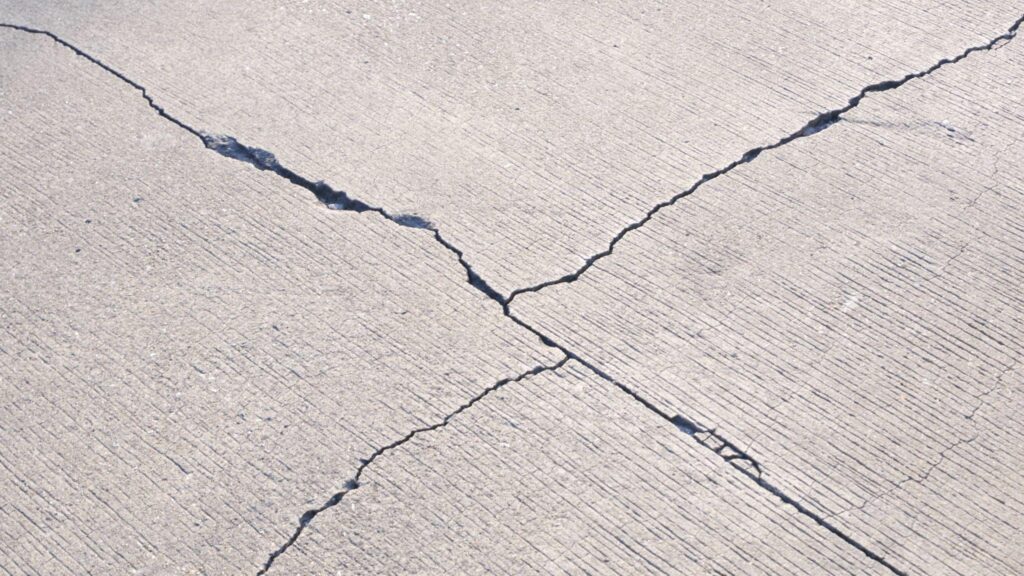

Cracked driveways, uneven sidewalks, pitted garage floors. Concrete damage is one of those homeowner headaches that starts small and gets expensive fast. The longer you ignore it, the worse it gets. Water seeps into hairline cracks, freezes overnight, expands, and turns a minor blemish into a structural problem by the following spring.
The good news is that not every concrete issue requires a full tearout. In many cases, timely repairs can restore both the appearance and the function of a damaged surface at a fraction of the replacement cost. The key is knowing which problems call for a quick fix and which ones demand a fresh pour.
Table of Contents
ToggleUnderstanding Why Concrete Fails
Concrete is one of the most durable building materials available, but it is not invincible. Several forces work against it over time, and understanding these causes helps homeowners make better repair decisions.
Freeze-thaw cycles are one of the most common culprits. Water enters small surface cracks, freezes, expands, and pushes the concrete apart from the inside. Over multiple seasons, this process turns hairline cracks into wide gaps and surface spalling.
Soil movement beneath the slab is another frequent cause. Poorly compacted fill, expansive clay soils, and erosion from improper drainage can cause sections of concrete to settle or heave. The result is uneven surfaces, trip hazards, and stress cracks.
Overloading damages concrete that was not reinforced for the weight placed on it. A residential driveway poured at standard thickness may crack under the repeated stress of heavy vehicles or construction equipment.
Age is the simplest factor. Even well-maintained concrete has a functional lifespan of 25 to 50 years depending on climate, use, and the quality of the original pour.
When Repair Is the Right Choice
Concrete repair is almost always the more cost-effective option when the damage is limited in scope and the underlying slab remains structurally sound. Repair methods have improved significantly in recent years, giving homeowners durable solutions that did not exist a decade ago.
Crack filling and sealing works well for cracks that are narrow and do not indicate structural movement. Flexible polyurethane or epoxy-based fillers bond to both sides of the crack and move with the slab through seasonal temperature changes. This prevents water intrusion and stops the damage from spreading. Most crack repairs cost between $150 and $500 depending on the length and depth of the damage.
Concrete leveling addresses sunken or uneven slabs without removing them. The two most common methods are mudjacking, which pumps a cement slurry beneath the slab, and polyjacking, which uses expanding polyurethane foam. Both techniques lift the concrete back to its original grade in a matter of hours. Leveling typically costs 50% to 75% less than full slab replacement.
Resurfacing is the right solution when the surface is worn, pitted, or lightly spalled but the slab itself is still structurally intact. A thin overlay of polymer-modified concrete is applied over the existing surface, restoring a smooth, clean finish. Resurfacing can also incorporate decorative elements like stamping or staining, giving homeowners a visual upgrade alongside the repair.
As a general rule, if the damage affects less than 25% to 30% of the total surface area and the slab has not shifted significantly, repair is usually the smarter investment.
When Replacement Becomes Necessary
There are situations where no amount of patching will solve the problem. Recognizing these scenarios early saves homeowners from spending money on repairs that will not last.
Widespread cracking across the entire slab suggests the concrete has reached the end of its useful life or was improperly installed from the start. When cracks appear in a grid-like pattern across a driveway or patio, the structural integrity of the slab is compromised. Filling individual cracks at this stage is like putting adhesive bandages on a wound that needs stitches.
Severe settling or heaving that creates height differences greater than one to two inches often points to a serious subgrade failure. While minor settling can be corrected with leveling, significant movement usually means the soil beneath the slab needs to be excavated, recompacted, and properly prepared before new concrete is poured.
Reinforcement failure is another indicator that replacement is the better path. If rebar or wire mesh inside the slab has corroded and lost its structural contribution, the concrete cannot be restored to its original load-bearing capacity through surface repairs alone.
Code compliance can also drive the decision. Older concrete may not meet current building codes for thickness, reinforcement, or drainage slope. If a homeowner is already investing in significant repairs, bringing the surface up to current standards through a full replacement may offer better long-term value.
How to Choose the Right Contractor
Whether you are repairing or replacing, the contractor you choose determines the quality and longevity of the result. Concrete work demands precision, experience, and an understanding of local soil and climate conditions.
Start by verifying that the contractor is licensed and insured. Ask about their experience with the specific type of repair you need, and request references from recent projects similar to yours. Get at least two or three written quotes that break down materials, labour, site preparation, and any additional costs like permit fees or disposal charges.
Calgary homeowners dealing with concrete damage can turn to professionals like Concrete Repair specialists who understand the specific challenges of Alberta's freeze-thaw climate, expansive soils, and local building code requirements. Working with a contractor who knows these regional factors ensures repairs are built to last through the conditions that caused the damage in the first place.
Preventive Maintenance That Extends the Life of Your Concrete
The best way to avoid costly repairs is to prevent damage before it starts. A few simple habits can add years to the life of any concrete surface.
Seal your concrete every three to five years. A quality penetrating sealer blocks moisture from entering the surface, dramatically reducing freeze-thaw damage and surface spalling. The American Concrete Institute recommends sealing as one of the most effective maintenance practices for residential concrete exposed to weather.
Maintain proper drainage. Water pooling against or on top of concrete accelerates every form of deterioration. Make sure gutters direct water away from slabs, and verify that the ground slopes away from foundations, driveways, and walkways.
Avoid deicing chemicals in the first winter after a pour. New concrete needs at least one full season to cure and harden before exposure to salt or chemical deicers. Even on mature concrete, sand is a safer traction option than rock salt.
Address cracks early. A $200 crack repair today can prevent a $5,000 slab replacement three years from now. Walk your property each spring, inspect all concrete surfaces, and schedule repairs before the next winter cycle begins.
The Bottom Line
Concrete damage is not a matter of if, but when. Every slab eventually shows its age. The homeowners who save the most money are the ones who catch problems early, choose the right repair method for the type of damage they are facing, and work with experienced contractors who get it right the first time. Whether your driveway needs a simple crack fill or a complete replacement, making an informed decision now protects your property and your budget for years to come.