
Few home improvement projects carry as much weight as a roof replacement. It is one of the most expensive upgrades a homeowner will face, it affects everything from energy efficiency to insurance premiums, and a bad experience with the wrong contractor can turn a necessary investment into a prolonged headache.
The good news is that a roof replacement does not have to be stressful. When you understand the process, know what questions to ask, and choose the right contractor, the entire project can move from estimate to completion in a matter of days with minimal disruption to your daily life. This guide walks you through each stage so you can approach the project with confidence.
Table of Contents
ToggleRecognizing When Replacement Is the Right Call
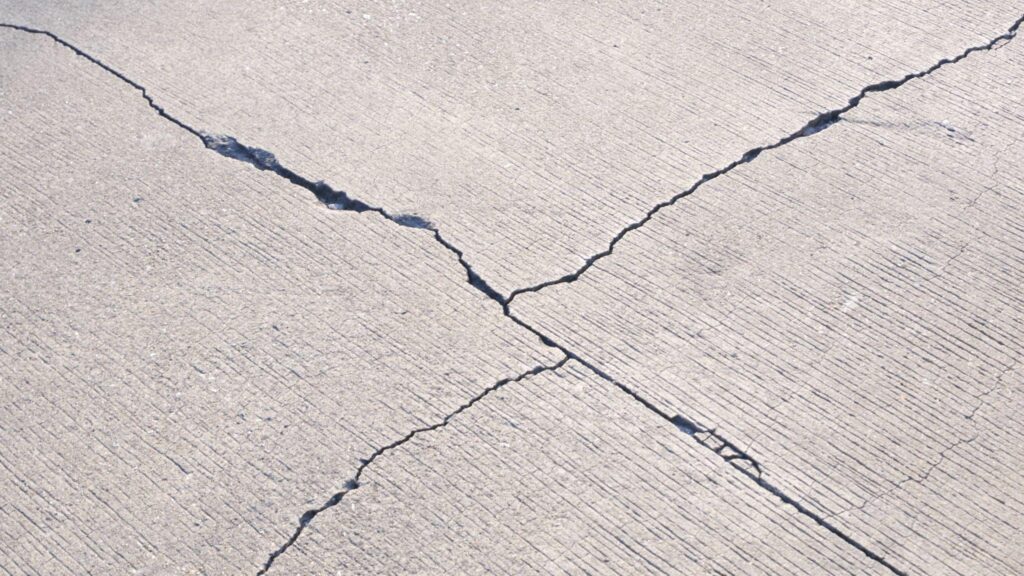
Not every roofing problem requires a full replacement. A few missing shingles after a windstorm or a small leak around a vent pipe can often be repaired without tearing off the entire roof. But certain conditions signal that patching is no longer a practical solution.
Age is the clearest indicator. Most asphalt shingle roofs last 20 to 25 years in moderate climates and closer to 15 to 20 years in regions with harsh winters or frequent hailstorms. If your roof is approaching that range and showing visible wear, replacement is usually more cost-effective than ongoing repairs.
Widespread shingle damage tells the same story. Curling, cracking, buckling, or granule loss across large sections means the shingles have reached the end of their functional life.
Recurring leaks that return despite repairs suggest a systemic issue with the underlayment, flashing, or deck beneath the shingles.
Sagging or structural concerns require immediate attention. A visible dip in the roofline can indicate rotted decking or prolonged water damage.
Choosing a Contractor You Can Trust
The contractor you hire has more influence over the outcome than any other single factor. A quality roof installed by an unreliable crew will underperform. A standard roof installed by a skilled, detail-oriented team will protect your home for decades.
Start by looking for contractors who specialize in roofing rather than general contractors who offer roofing as one of many services. Specialization means the crew works with roofing materials daily and understands the nuances of proper installation.
Verify licensing and insurance before any work begins. In Alberta, roofing contractors should hold municipal trade licences and carry both general liability insurance and WCB coverage. If a worker is injured on your property and the contractor lacks coverage, you could be held responsible.
Request written quotes from at least two or three companies. A quality quote should itemize materials, labour, tear-off and disposal, underlayment, flashing, ventilation, and any additional work like deck repairs. Vague or verbal-only estimates are a warning sign.
Check online reviews, but also ask for references from recent local projects. A contractor confident in their work will happily connect you with past customers. Edmonton homeowners can look to established teams like Canclad Roofing for the kind of transparent process, certified crews, and lifetime workmanship warranties that take the uncertainty out of a major roofing project.
Understanding the Replacement Process
A residential roof replacement follows a predictable sequence. Knowing what each stage involves helps you plan around the work and recognize quality execution when you see it.
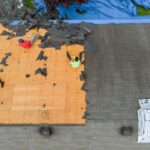
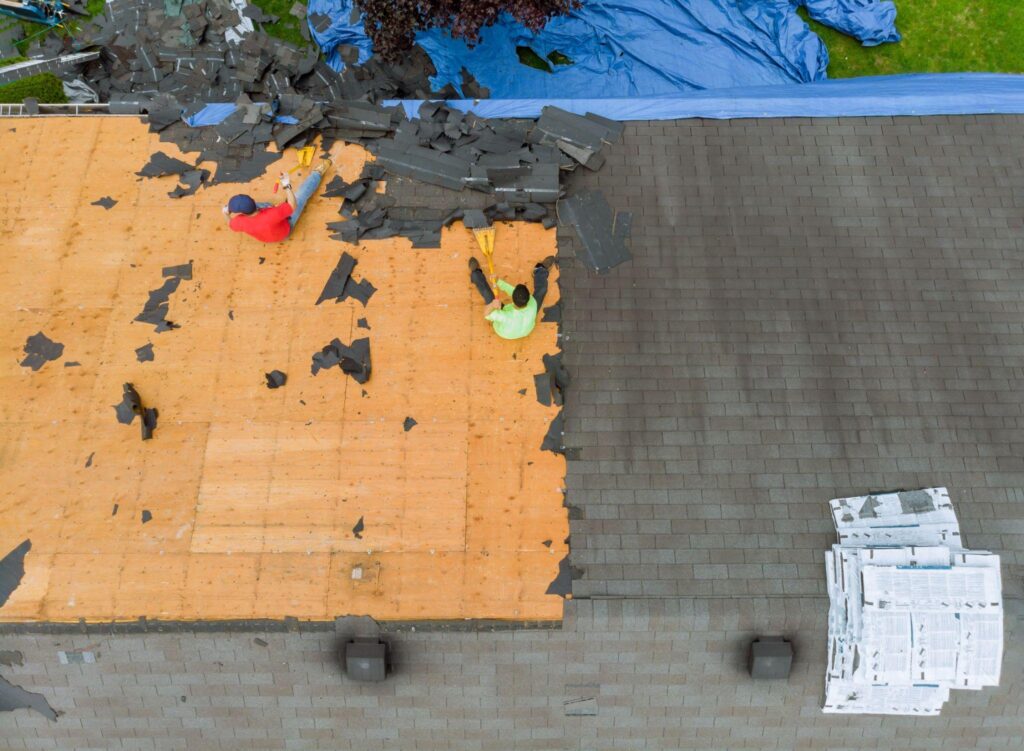
- Tear-off. The existing shingles and underlayment are stripped down to the roof deck. This is the noisiest part of the process. Debris is collected using tarps or dump trailers staged at the property. A thorough tear-off allows the crew to inspect the deck for rot, soft spots, or damage that would compromise the new roof.
- Deck repair. Any damaged plywood or OSB sheathing is replaced. Skipping this step is one of the most common shortcuts taken by low-quality contractors. New shingles installed over a compromised deck will fail prematurely regardless of their rated lifespan.
- Underlayment and ice protection. Synthetic underlayment is rolled across the entire deck as a secondary moisture barrier. In cold climates, ice and water shield membrane is applied along the eaves, valleys, and around penetrations to prevent ice dam damage. The Insurance Bureau of Canada identifies ice damming as one of the leading causes of winter roof damage in Canadian homes, making proper membrane installation essential.
- Shingle installation. Shingles are laid from the bottom up, following the manufacturer's nailing pattern and exposure guidelines. Each row overlaps the one below it to create a layered barrier against wind-driven rain. Hip and ridge caps are installed along the roof peaks to seal the topmost seams.
- Flashing and ventilation. Metal flashing is installed around chimneys, skylights, vent pipes, and wall transitions. These are the areas most prone to leaks, and the quality of the flashing work often determines whether a roof stays watertight for its full lifespan. Ridge vents or other ventilation components are installed to allow proper airflow through the attic, which prevents moisture buildup and extends shingle life.
- Cleanup and inspection. A professional crew cleans the property thoroughly after the installation, including a magnetic sweep of the yard and driveway to collect any dropped nails. A final walkthrough with the homeowner ensures everything meets expectations before the crew leaves the site.
Most residential roof replacements in Edmonton are completed in one to three days depending on the size and complexity of the roof.
What It Costs and How to Budget
Roof replacement costs vary based on roof size, material selection, the complexity of the roof design, and regional labour rates. For a typical Edmonton home with an asphalt shingle roof, homeowners can expect to pay between $8,000 and $15,000. Metal roofing, cedar shakes, and specialty materials will increase that range.
If your roof was damaged by hail or a severe storm, your homeowner's insurance may cover part or all of the replacement cost. A reputable contractor will help you document the damage, communicate with your adjuster, and ensure the claim process goes smoothly. Never sign with a contractor who asks you to pay your deductible through inflated invoices. This practice is illegal in most jurisdictions and puts your coverage at risk.
For homeowners paying out of pocket, many roofing companies offer financing options. Ask about monthly payment plans during your initial consultation so you can compare total costs across lenders before committing.
Protecting Your Investment After the Installation
A new roof is a significant investment, and a few maintenance habits can help it reach its full lifespan.
Keep gutters clean and flowing freely. Clogged gutters cause water to back up under the shingles, which is one of the fastest paths to premature failure. Trim overhanging tree branches that drop debris or scrape shingles in the wind. Schedule a professional inspection every three to five years, or immediately after any major storm. Keep your attic properly ventilated and insulated to prevent moisture accumulation that shortens shingle life from the inside out.
Moving Forward With Confidence
A roof replacement is a big project, but it does not have to be a difficult one. The homeowners who have the best experience are the ones who take time to understand the process, choose a contractor based on credentials rather than the lowest bid, and stay engaged from the first estimate to the final walkthrough. When those pieces are in place, a new roof is not just protection. It is peace of mind.