

Home renovation ideas vs. home remodeling, these terms get tossed around like they mean the same thing. They don’t. Understanding the difference can save homeowners thousands of dollars and months of frustration. Whether someone wants to refresh a tired kitchen or completely transform their living space, the approach they choose matters. This guide breaks down what separates renovation from remodeling, explores popular home renovation ideas across different budgets, and helps readers decide which path fits their goals. The right choice depends on budget, timeline, and how dramatically they want to change their space.
Table of Contents
ToggleKey Takeaways
- Renovation refreshes a space cosmetically, while remodeling restructures the layout or purpose—knowing the difference can save you thousands of dollars.
- Budget-friendly home renovation ideas under $5,000, like painting cabinets and updating fixtures, deliver visible impact without major investment.
- Remodeling makes sense when your home’s layout doesn’t function well, you need more space, or major systems require replacement.
- Minor kitchen and bathroom renovations typically recover 75-80% of costs at resale, outperforming expensive high-end remodels in ROI.
- Homeowners planning to sell soon should prioritize proven home renovation ideas, while those staying long-term can invest in remodeling for lifestyle benefits.
- Many successful projects combine both approaches—renovating some elements while remodeling others to balance budget with goals.
Key Differences Between Renovation and Remodeling
Renovation and remodeling sound similar, but they represent two distinct approaches to improving a home.
Renovation means restoring or updating an existing space without changing its structure or purpose. Think fresh paint, new flooring, updated fixtures, or refinished cabinets. The room stays the same room, it just looks better. Home renovation ideas typically focus on cosmetic improvements that breathe new life into dated spaces.
Remodeling goes further. It changes the structure, layout, or purpose of a space. Knocking down a wall between the kitchen and dining room? That’s remodeling. Converting a garage into a bedroom? Remodeling. Adding a bathroom where a closet used to be? Also remodeling.
Here’s a simple way to remember it: renovation refreshes, remodeling restructures.
The distinction affects everything from permits to pricing. Most home renovation ideas don’t require building permits because they don’t alter the home’s structure. Remodeling projects often need permits, inspections, and licensed contractors who understand local building codes.
Time commitments differ too. A renovation project might take a weekend or a few weeks. Remodeling can stretch into months, especially if structural changes require engineering approval or if unexpected issues arise behind walls.
Popular Home Renovation Ideas for Every Budget
Good home renovation ideas exist at every price point. The key is matching ambition to budget.
Budget-Friendly Options (Under $5,000)
Small changes create big impact. Painting walls and cabinets costs little but transforms rooms completely. Swapping out dated light fixtures, door handles, and cabinet hardware modernizes a space for a few hundred dollars. Refinishing hardwood floors brings back their original beauty without replacement costs.
Bathroom updates like new faucets, mirrors, and lighting fixtures refresh the space without gutting it. These home renovation ideas deliver visible results fast.
Mid-Range Projects ($5,000–$25,000)
With more budget, homeowners can tackle larger renovations. Kitchen updates, new countertops, backsplash, and appliances, fall into this range. So do bathroom renovations with new tile, vanities, and fixtures.
Flooring replacement throughout common areas makes a dramatic difference. Energy-efficient window installation improves comfort and reduces utility bills. Deck refinishing or replacement extends outdoor living space.
Higher-End Renovations ($25,000+)
Bigger budgets open up comprehensive renovations. Full kitchen overhauls with custom cabinetry, premium countertops, and high-end appliances represent popular home renovation ideas at this level. Primary bathroom transformations with heated floors, walk-in showers, and luxury finishes create spa-like retreats.
Basement finishing adds usable square footage without the cost of an addition. Whole-house updates, coordinated flooring, paint, and fixtures throughout, create cohesive design.
When to Choose Remodeling Over Renovation
Sometimes renovation isn’t enough. Certain situations call for remodeling.
The layout doesn’t work. If a home’s floor plan frustrates daily life, a cramped kitchen, awkward traffic flow, too few bathrooms, no amount of renovation will fix it. Remodeling addresses fundamental design problems.
The home lacks needed space. Growing families often need more room. Converting unused areas, adding rooms, or reconfiguring existing space through remodeling creates what renovation cannot.
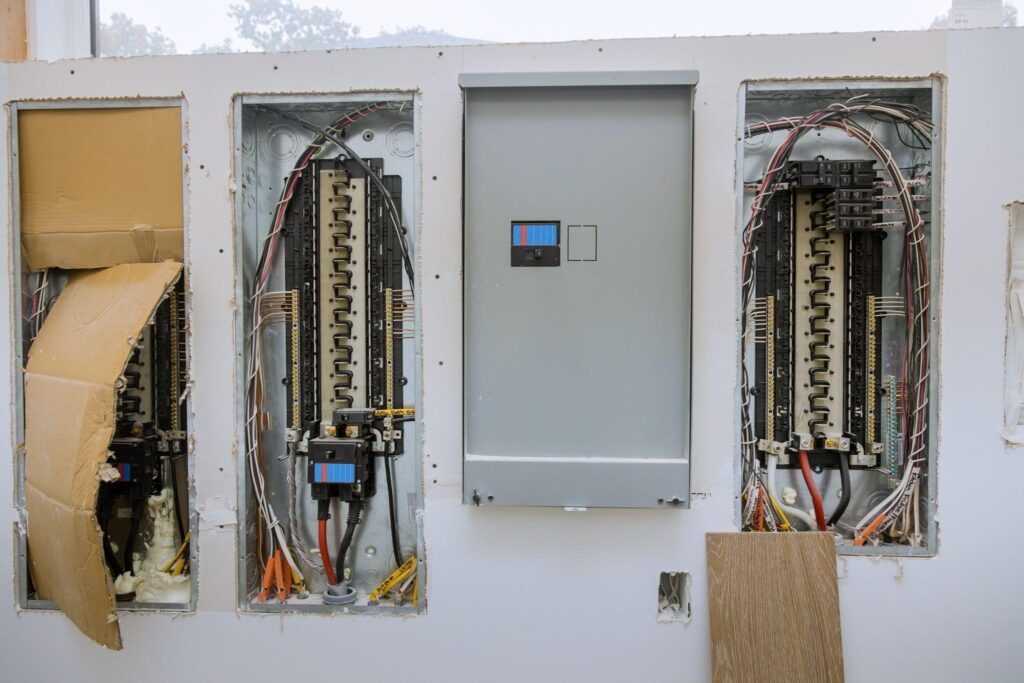
Systems are failing. Homes with outdated electrical, plumbing, or HVAC systems sometimes need walls opened anyway. Combining necessary repairs with remodeling makes sense when major systems require replacement.
Property value goals require it. In competitive real estate markets, homes without open floor plans or modern layouts sell slower and for less. Strategic remodeling can position a home better for future sale.
Building codes mandate changes. Older homes sometimes require updates to meet current codes before any work can proceed. This often triggers remodeling rather than simple renovation.
Remodeling costs more and takes longer than renovation. But when the existing structure can’t meet a homeowner’s needs, remodeling delivers results that renovation simply can’t match.
Cost Comparison and Return on Investment
Understanding costs helps homeowners make informed decisions about home renovation ideas vs. remodeling projects.
Typical Cost Ranges
| Project Type | Renovation Cost | Remodeling Cost |
|---|---|---|
| Kitchen | $5,000–$30,000 | $25,000–$75,000+ |
| Bathroom | $3,000–$15,000 | $15,000–$50,000+ |
| Basement | $5,000–$20,000 | $30,000–$75,000+ |
| Living Areas | $2,000–$10,000 | $10,000–$40,000+ |
Labor represents 30-50% of most project budgets. Remodeling requires more specialized labor, structural engineers, electricians, plumbers, which increases costs.
Return on Investment
Not all improvements return equal value. According to industry data, minor kitchen renovations recover about 75-80% of their cost at resale. Major kitchen remodels recover 50-60%. Why the gap? Buyers appreciate updates but won’t pay dollar-for-dollar for luxury features they might not want.
Bathroom renovations show similar patterns. Mid-range updates return more percentage-wise than high-end remodels.
The best home renovation ideas for ROI focus on curb appeal, kitchens, and bathrooms. Fresh exterior paint, garage door replacement, and entry door updates consistently deliver strong returns.
Homeowners planning to stay long-term should prioritize enjoyment over ROI. Those preparing to sell should focus on renovations buyers value most.
How to Decide Which Approach Is Right for Your Home
Choosing between home renovation ideas and remodeling comes down to answering a few key questions.
What’s the actual problem? If a space looks tired but functions well, renovation solves it. If the space doesn’t work regardless of how it looks, remodeling is probably necessary.
What’s the realistic budget? Renovation stretches dollars further. Homeowners with limited funds get more visible improvement from renovation than partial remodeling projects.
How long will they stay? Those planning to sell within two years should focus on renovations with proven ROI. Homeowners staying 10+ years can justify remodeling that serves their long-term needs.
Can they handle disruption? Renovation projects cause less disruption to daily life. Remodeling, especially kitchen or bathroom remodels, can make portions of the home unusable for weeks.
What do professionals recommend? Consulting contractors or designers before deciding provides valuable perspective. They spot issues homeowners miss and suggest solutions that fit the situation.
Many projects combine both approaches. A kitchen project might renovate cabinets (painting and new hardware) while remodeling the layout (removing a wall). This hybrid approach balances budget with goals.